
Human anatomy is a fundamental knowledge base for radiologists. Radiologic technologists and physicians need a thorough understanding of anatomy to comprehend the images they create and analyze daily. Few disciplines are as relevant to radiologists in general as anatomy, since the recognition of pathology is based, in some way, on knowledge of normal anatomy . By understanding what is normal and its anatomical variations, it becomes easier to identify what is unusual, pathological, or what does not conform to that normality. From there, the entire spectrum of pathology unfolds.
When we look at an X-ray film, a CT scan, an MRI , or perform an ultrasound, we need to reinterpret anatomy to adapt it to the method and type of image we are viewing. Anatomy itself is a three-dimensional arrangement of anatomical structures, but images are two-dimensional (most of the time), explore a specific and limited region, and are often a superposition of planes. Therefore, in addition to knowing normal anatomy, it is important to be able to identify the structures in each type of image to recognize normal structures within them.
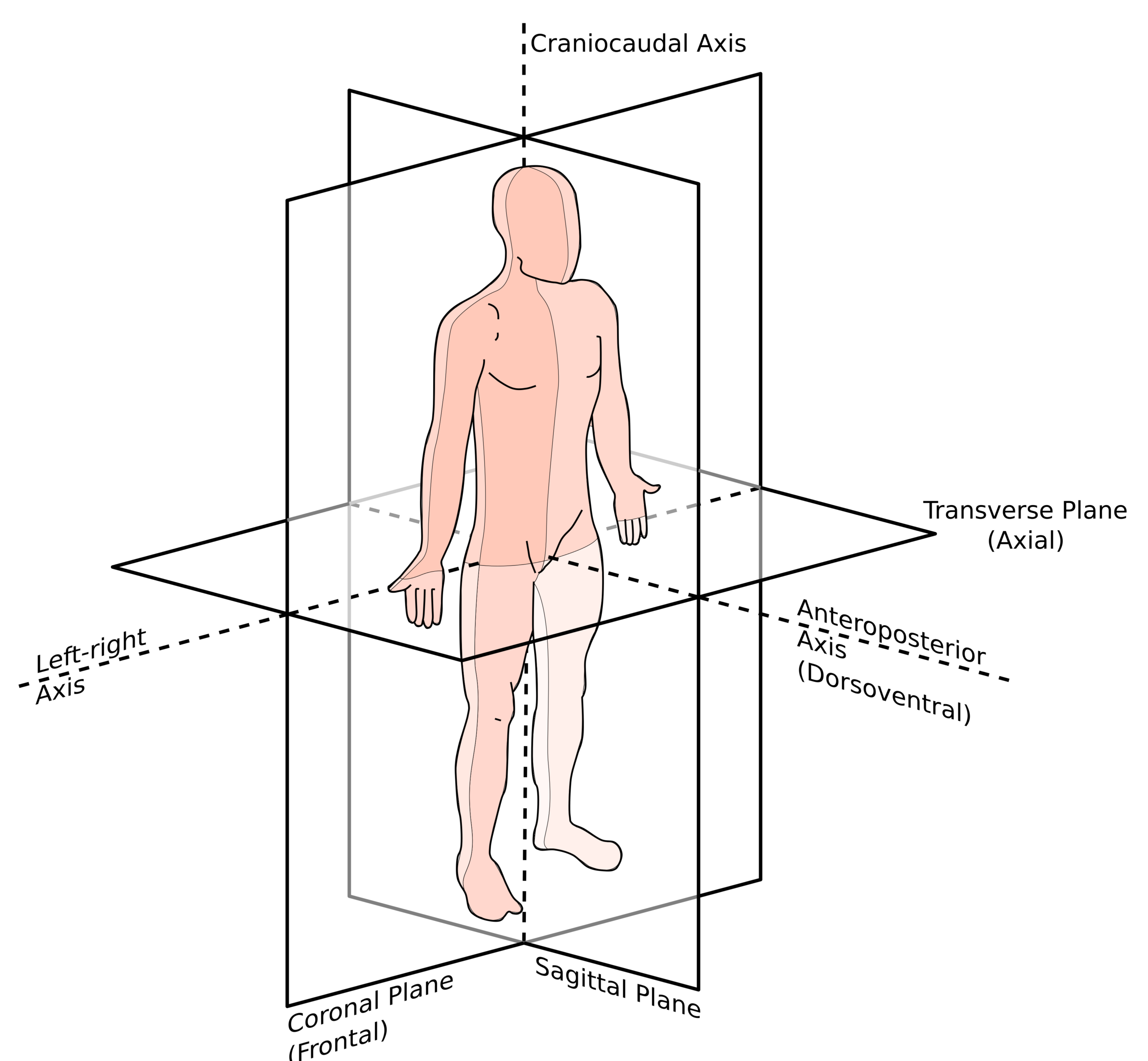
For example, in radiographic images, it is necessary to understand the superimposition and projection of the image in order to recognize major bony landmarks, normal structures, and potential pathologies. In CT and MRI, it is necessary to be able to recognize structures in coronal, axial, and sagittal planes in order to identify them.
To learn about anatomy, classic human anatomy texts are usually studied . You can find a brief overview of them at this link: CLICK HERE .
But radiologists often need more specific books or websites focused on radiological anatomy to study anatomy and better understand images. Therefore, we are sharing some websites where you can find relevant information on radiological anatomy. Below, we list them with their respective links:
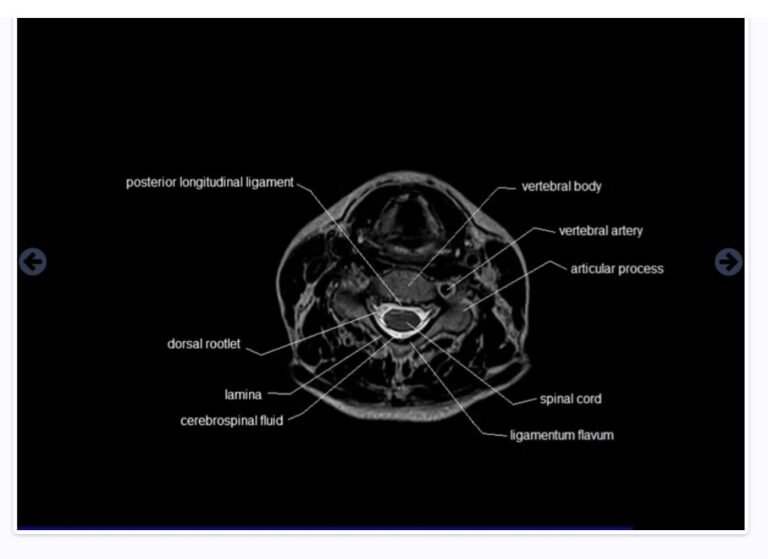
- Magnetic resonance imaging (MRI) in axial, coronal, and sagittal planes of different regions, with the names of the main structures visualized: mrimaster.com
- MRI and CT scans in different planes, also with indications of the structures visualized: omcsa.org/anatomy
Both sites are free and open access until the date of publication of this article.
This material was automatically translated from medicosradiologos.com.ar
For any comments or suggestions: radiologyzones@gmail.com