
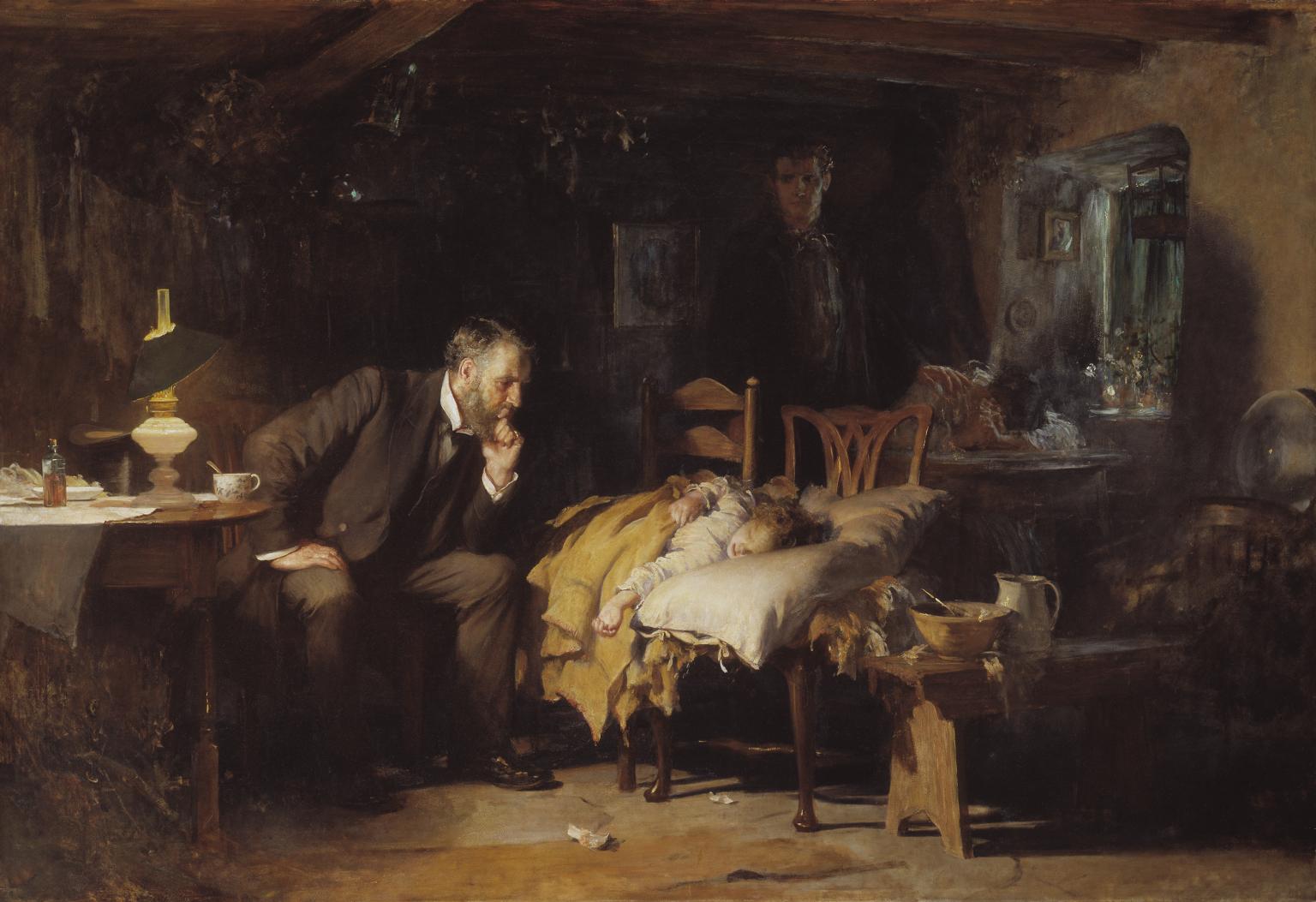
In daily practice, radiologists are separated from patients most of the time, with some exceptions such as ultrasound and contrast radiography, or periods like residency, where there is more proximity. The rest of the time, the radiologist is interpreting studies in front of a viewbox or a computer. The only information they have about the patient, besides the images, is the data collected by others.
Radiologists working in hospitals or inpatient facilities always have the opportunity to consult with the attending physicians, review the medical history, or visit the patient to ask the necessary questions. However, physicians in outpatient settings (diagnostic centers) do not have this opportunity, are unlikely to see the patient again, and generally do not know the attending physician who ordered the study.
The idea, then, is to provide some useful options for collecting patient data at the time of the study. Reporting a study without clinical data, medical history, or without knowing what to rule out is inherently a mistake, since our report will not be focused on what is needed.
- Read the medical order carefully , as in many cases it contains the diagnosis or what the treating physician intends to rule out through the study.
- Train physicians (generally residents) and radiology technicians who work with CT and MRI consoles . They must clearly understand the essential questions they must ask and the information the reporting physician needs. For example: date of symptom onset, surgical history, comorbidities, chief symptom, and marking of palpable lesions.
- Everything that is asked of the patient must be recorded in writing so that it reaches the reporting physician.
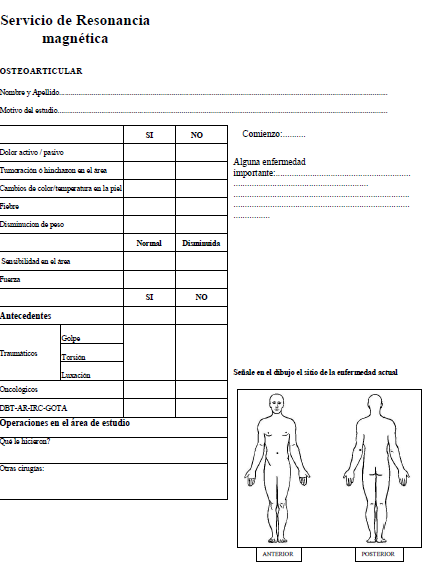
- Create forms with clear and concise questions that patients can complete in the waiting room. These can include charts for patients to mark the location of their pain, simple questions to answer by marking options with an X, etc. Some of these forms can be found online. The most important thing is to modify them as needed to achieve greater accuracy.
- Always have the patient’s phone number on hand so you can call them if necessary. This is usually done by the patient reception staff, i.e., the administrative personnel at the institution. It’s essential that the phone number has been verified. This is useful both when providing information and for follow-up.
- Ask the patient for all previous tests they have undergone. This provides a part of the patient’s medical history and objective data. It is also useful for monitoring different conditions.
The report is a response to a question posed by the attending physician; it’s a dialogue with them. Therefore, we need data when writing the report. Otherwise, we won’t be answering that question, which is often equivalent to saying nothing at all. Furthermore, understanding the patient’s clinical history will allow us to assign greater or lesser importance to certain imaging findings.
Obtaining patient data is essential when preparing the report.
Here is a sample patient form in Spanish. The important thing is the detailed information to be filled out and the image where the patient can indicate areas of interest.
For any comments or suggestions: radiologyzones@gmail.com
This material was automatically translated from medicosradiologos.com.ar