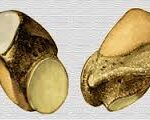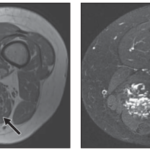

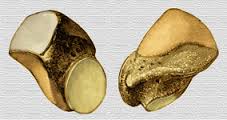
Scaphoid fractures are complex issues, from diagnosis to treatment, due to the anatomical and biomechanical implications of this bone. It is also a common wrist injury, one that specialists encounter daily.
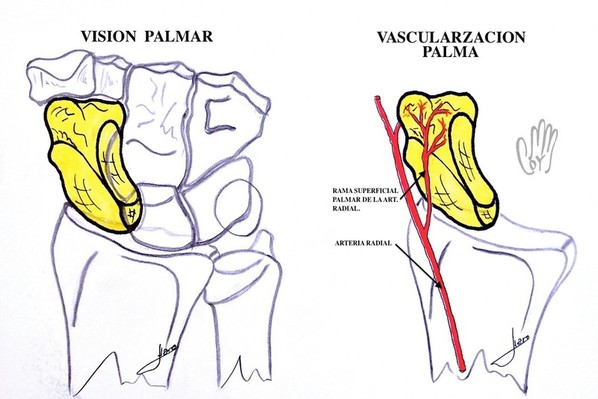
The radiologist must be trained to determine which studies are useful for what purpose in diagnosing fractures and their most frequent complications: pseudoarthrosis and necrosis. Understanding bone anatomy and vascularization is essential to understanding the causes of these complications.
After understanding anatomy, it’s helpful to know the classifications of fractures, to know what types of fracture lines we might encounter and which method is used to visualize each one. Then, we must be able to recognize complications and diagnose them as accurately as possible.
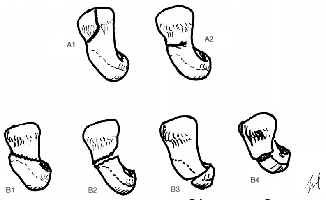
We provide you with some essential articles to understand scaphoid fractures and make a more accurate diagnosis of acute fractures, their complications, and post-surgical findings:
Classification of fractures and pseudoarthrosis of the carpal scaphoid
Usefulness of gadolinium-enhanced MRI in the evaluation of vascularization in pseudoarthrosis
This material was automatically translated from medicosradiologos.com.ar
For any comments or suggestions: radiologyzones@gmail.com