
What is a radiologist?
As radiologists, we’ve probably had to answer this question many times from friends, family, acquaintances, and even colleagues from other specialties or patients. It sounds strange, but it’s common for people to not clearly understand what a radiologist is, what they actually do, or how they spend their working hours. After receiving this question so often, I decided to write a short note to try to explain what a radiologist is and what they do.
After completing their undergraduate degree, doctors often choose to specialize. They select a subject from the vast field of medicine and dedicate several years exclusively to its study until they become specialists. This specialization is achieved through residency and postgraduate studies, typically combining practical and academic components. After a few years (usually four, but this varies depending on the chosen specialty), the doctor becomes a specialist. This isn’t exclusive to radiologists; it applies to doctors in general, and it works similarly not only in Argentina but in many parts of the world. Thus, we have specialist doctors such as cardiologists, neurologists, ophthalmologists, and radiologists!
The name «radiologist» was initially given to doctors specializing in radiology, since the studies they performed were related to X-rays. However, they are now also called diagnostic imaging specialists, as medical imaging has expanded beyond purely radiological imaging (i.e., imaging that uses X-rays). But I don’t want to get too bogged down in this: a radiologist and a diagnostic imaging specialist do the same thing, they specialize in the same area, and they could be considered synonymous.
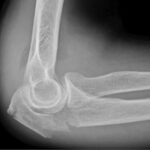
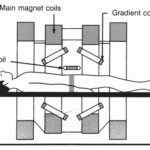
So, what exactly does a radiologist specialize in? A radiologist specializes in medical imaging, which includes conventional and contrast radiography, ultrasound, computed tomography (CT), mammography, magnetic resonance imaging (MRI), and interventional radiology. This doctor performs the procedures, obtains the images, and, most importantly, interprets them. I say «mostly» because they often work with radiologic technologists who perform the studies and obtain the images that the radiologist then interprets.
Each study performed is read and interpreted by a radiologist who is able to observe any lesions in the image, analyze them, and try to arrive at the most accurate diagnosis possible. Sometimes, often, a single image is not enough to make that diagnosis. The radiologist must order other studies, consult with other specialists, speak with the patient, examine the patient, analyze the medical history, review the patient’s previous studies if any, and perform new tests. In any case, when the radiologist analyzes a study, they issue a report detailing the normal and pathological findings so that the physician who ordered the study can finalize the diagnosis and prescribe the appropriate treatments.
Therefore, the radiologist is an interpreter of various types of medical images and a diagnostician in the broadest sense. They try to identify findings in these images that may represent a pathology, describe them, list them, and send this information to other physicians through a report. To do this, you must be able to see pathological images, which differ from anatomical ones, and you must know the pathologies and what they look like, as well as the patient’s symptoms. Together, the analysis of what you see in the medical image combined with what you know about the patient allows you to make a diagnosis.

We also mentioned that radiologists often perform the studies themselves, not just interpret them. Indeed, radiologists perform ultrasounds, CT scans, mammograms, X-rays, contrast radiology studies, and MRIs, either directly or because they have worked on the protocols used for these procedures. They also perform studies that are, in turn, treatments; this is called interventional radiology. In these cases, the images help guide a treatment or the taking of a sample for a biopsy.
Just as there are many medical specialties, there is radiology, a specialty in which doctors make diagnoses using images of the human body obtained from patients. Radiologists strive to ensure that the images they create are useful for ruling out various pathologies in patients and thus contribute to their treatment, since what is not diagnosed cannot be treated.
Where do radiologists study?
The specialty of radiology, or diagnostic imaging, is pursued through a medical residency at various public or private institutions. Physicians take a residency exam (which assesses the knowledge acquired during their undergraduate studies), and their scores determine their eligibility for residency positions. This residency lasts approximately four years in Argentina (and many other countries worldwide). During this time, they also complete a specialist course in diagnostic imaging, which can be undertaken at a university or an accredited society offering a specialized program. This course awards a diploma in diagnostic imaging. Thus, after these four years, physicians who successfully complete both their residency and their coursework receive their certification. From then on, they are considered specialists.
But it doesn’t end there. Over the years and decades, diagnostic imaging has become increasingly subspecialized, thanks to advancements in imaging techniques. As a result, there are now subspecialists in various disciplines such as cardioradiology, abdominal radiology, chest radiology, mammography, musculoskeletal radiology, neuroradiology, and others. These subspecializations also require additional training, including courses and fellowships that sometimes last several years.
Where does the radiologist work?
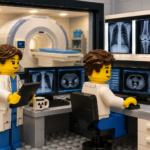
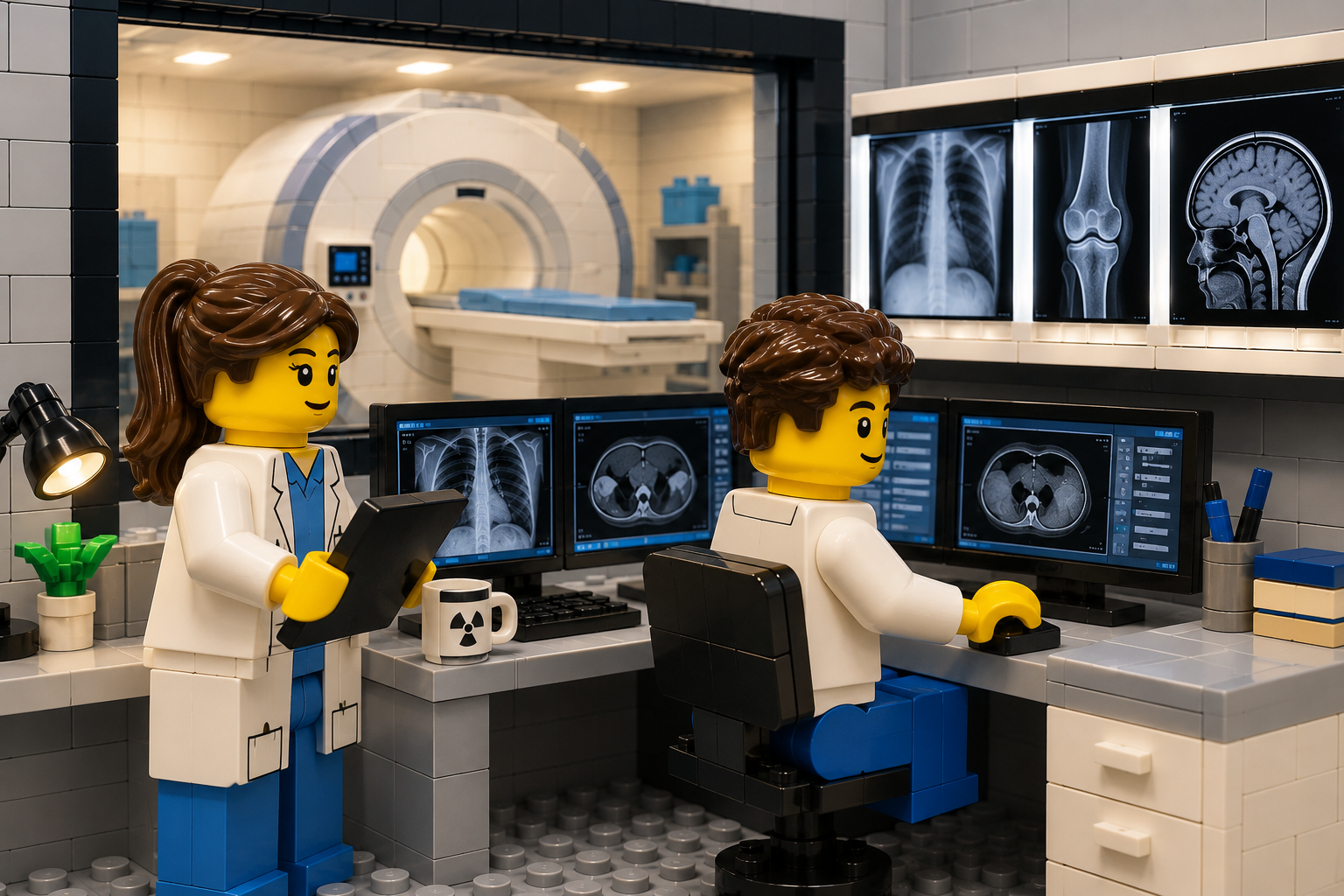
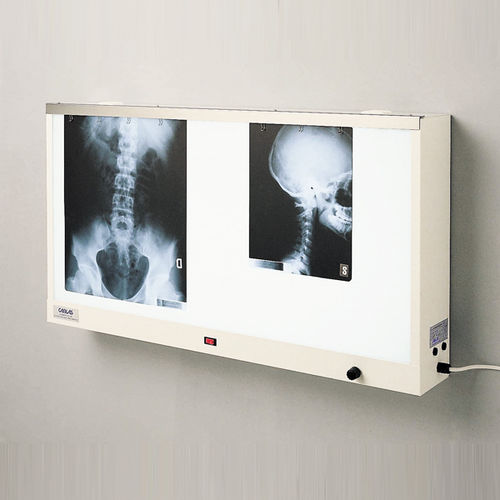
Radiologists work in hospitals, clinics, and diagnostic imaging centers—in short, in various types of medical institutions. And now they also work as teleradiologists, meaning they work remotely. Since images are almost entirely digital and are processed and sent to computers by various systems, radiologists typically work in front of screens (previously they worked in front of viewboxes, devices on which the film is hung and which have a backlight, allowing the image to be viewed against it). So nowadays, radiologists spend a large part of their day looking at screens, whether at healthcare facilities or at home.
Although we could explain many other elements and describe other issues, I think that with this we can have a basic idea of what a radiologist is, what they do, how their training is carried out, and how they work on a daily basis.