
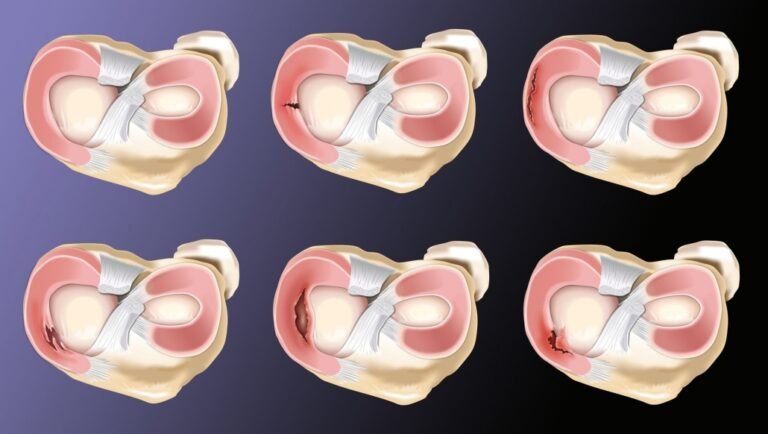
When we talk about the menisci of the knee, we’re referring to a structure whose injuries account for a high percentage of knee studies ordered in daily practice. Whether due to a suspected injury, surgical intervention, or because they accompany damage to other structures, meniscal tears represent a large number of the injuries radiologists see every day. From the beginning of our residency, and even before, we become familiar with the menisci, their anatomy , location, structure, and also with the types of injuries that affect them.
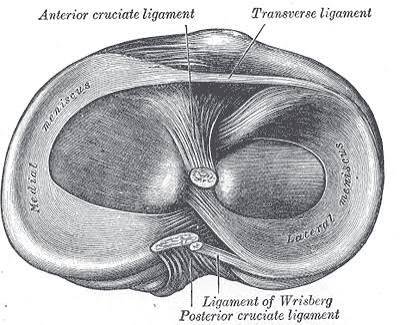
Since the introduction of magnetic resonance imaging (MRI) as a radiological study method in the 1980s, the way we visualize knee structures, and especially the menisci, has changed dramatically, allowing for a very high level of diagnostic accuracy. We can see normal menisci, their anatomical shape, their variations (such as discoid menisci), and their lesions. Within meniscal lesions, we can detect with high precision the type of injury: radial, longitudinal, or horizontal tears; meniscal root tears; ramp tears ; and lesions with displacement of meniscal fragments.
To properly visualize the menisci and detect injuries, we need to pay attention to several factors. First, the patient’s clinical presentation and medical history are crucial: understanding the type of pain, the mechanism of injury, any suspected associated injuries, and the duration of the condition. Therefore, a thorough clinical examination and a complete medical history are essential. Second, the MRI scan must be performed correctly, with the appropriate sequences and planes used to visualize the different structures of the knee. If, during the scan, we determine that a larger area needs to be covered or a specific sequence required, it is important to do so to ensure a comprehensive study.
We must be mindful of other structures that can be mistaken for meniscal tears, such as ligaments and tendons located nearby, to avoid misdiagnosis. In many injuries resulting from trauma, meniscal tears are associated with ligamentous injuries, making it important to examine each knee structure individually.
Finally, we want to share with you three articles on meniscal injuries that we consider essential for recognizing each type of injury. This is basic knowledge that should then be expanded upon with traumatological, arthroscopic, and clinical knowledge to cover different aspects.
Click on the titles to view the articles:
How I Diagnose MeniscalTears on Knee MRI
MR Imaging–based Diagnosis and Classification of Meniscal Tears
This material was automatically translated from medicosradiologos.com.ar
For any comments or suggestions: radiologyzones@gmail.com